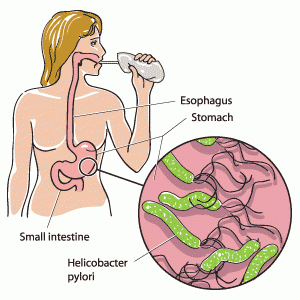
 H. pylori can infect the inner lining of the stomach and cause symptoms such as stomach pain, food intolerances due to chronic inflammation, and occasional bleeding from peptic ulcers. However, the infection often does not cause symptoms. The infection is treated with a combination of antibiotics and medications that reduce acid secretion. Infection with H. pylori can usually be eradicated, but all prescribed doses of antibiotics must be taken.
 Your doctor will determine if you should be tested for H. pylori infection. If you have a positive family history of stomach cancer, along with other cancer risk factors, even if you do not have symptoms of stomach ulcers, your doctor may recommend testing for antibodies to H. pylori.
 What is Helicobacter pylori?
Helicobacter pylori is a bacterium that can infect the inner lining (mucosa) of the stomach. Infection with H. pylori is now recognized as the primary cause of peptic ulcers and their recurrence. Research has linked the changes caused by H. pylori infection in the stomach lining as a significant risk factor for stomach cancer. When a H. pylori infection is diagnosed, it can be treated with antibiotics. Testing for H. pylori is a way to reduce the incidence of stomach cancer. Blood tests or breath tests are easily performed to check for potential antibodies to H. pylori. People with a family history of stomach cancer or other cancer risk factors should be tested for H. pylori infection with these tests.
Despite the decline in stomach cancer cases over several decades, it remains the seventh leading cause of cancer-related death. The decrease in stomach cancer rates may be due to improved diagnosis and treatment, as well as better dietary habits—studies show that a diet rich in fruits, vegetables, and fiber reduces the risk for many forms of cancer. However, if stomach cancer is not diagnosed early before it has spread, the prognosis is poor and the disease can be fatal.