
How to Improve Gut Health: The Key Role of Butyric Acid

For individuals without gastrointestinal disorders, gut health is rarely a priority. In fact, many overlook the health of their gastrointestinal system, especially when overshadowed by more pressing health issues concerning the brain, heart, liver, and kidneys. However, the importance of gut health cannot be overstated, as it directly impacts the health of all other systems…
New Treatment for Irritable Bowel Syndrome?

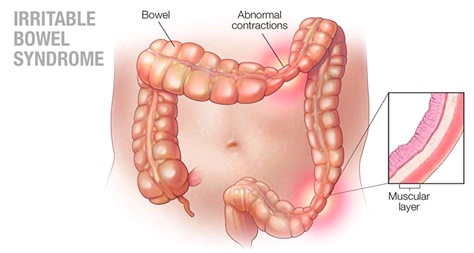
Recent studies may bring hope for individuals suffering from Irritable Bowel Syndrome (IBS). IBS is a common, non-life-threatening intestinal issue that affects over 30 million Americans. Symptoms can include cramping, abdominal pain, bloating, gas, and changes in bowel habits. While IBS is a chronic condition, many people can manage their symptoms through diet, lifestyle adjustments,…

Autoimmune Pancreatitis: Overview

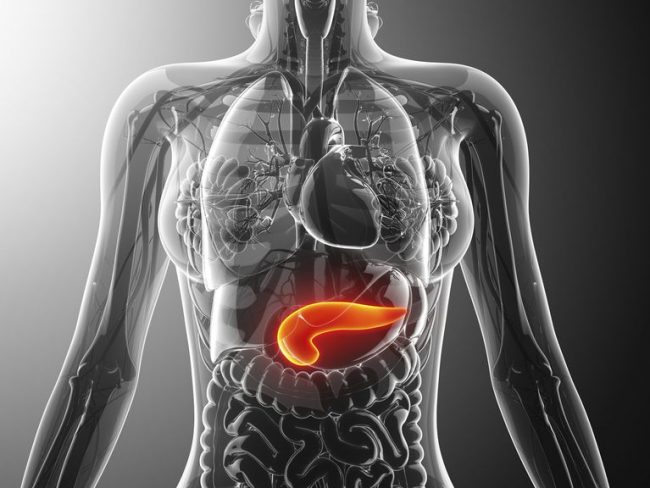
Autoimmune pancreatitis (AIP) is a chronic inflammatory condition believed to be caused by the immune system attacking the pancreas. It responds well to steroid treatment. Two subtypes of AIP are recognized: Type 1 and Type 2. Type 1 AIP, also known as IgG4-related pancreatitis, is part of a broader condition called IgG4-related disease (IgG4-RD), which…

Irritable Bowel Syndrome (IBS): Questions & Answers

What is Irritable Bowel Syndrome (IBS)?   IBS is a common disorder of the large intestine that affects both genders, though it is more prevalent in women. It often appears in individuals from late adolescence to the early forties.   Is there really such a thing as a “nervous stomach”?   The term “nervous stomach”…

Inflammatory Bowel Disease (Ulcerative Colitis and Crohn’s Disease) & Irritable Bowel Syndrome (IBS): Questions & Answers

Included are symptoms that differentiate inflammatory bowel disease (IBD) from irritable bowel syndrome (IBS). What is the difference between irritable bowel syndrome and inflammatory bowel disease? How would I know if I have one of them?   Irritable bowel syndrome (IBS) is a common, albeit uncomfortable, disorder of the colon. While the exact cause of…

Gastroesophageal Reflux Disease (GERD) & Non-Cardiac Chest Pain: Questions & Answers

Non-cardiac chest pain, also referred to as non-cardiac chest discomfort, is the term used to describe chest pain that is not caused by heart-related conditions or a heart attack. In most individuals, non-cardiac chest pain is associated with an esophageal issue, such as gastroesophageal reflux disease (GERD). Other causes may include musculoskeletal problems, lung conditions…

Gastroesophageal Reflux Disease (GERD): Diagnosis and Treatment

    How is GERD diagnosed? GERD is diagnosed after your doctor conducts a physical examination and reviews your medical history. Tests that may be recommended to confirm the diagnosis of GERD include: Esophagoscopy Barium swallow test 24-hour pH monitoring Esophageal manometry Gastric emptying studies   How is GERD treated?   Many people experience relief…

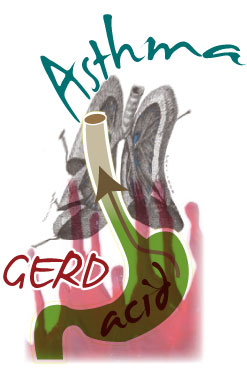
Gastroesophageal Reflux Disease (GERD) and Asthma

Πάνω από το 75% των ασθενών με άσθμα εκτιμάται ότι έχουν επίσης γαστροοισοφαγική παλινδρόμηση (ΓΟΠΝ). Η αντιμετώπιση της ΓΟΠΝ με αλλαγές στον τρόπο ζωής, όπως η ανύψωση της κεφαλής του κρεβατιού, η κατανάλωση μικρότερων γευμάτων και η διατήρηση ενός υγιούς βάρους μπορούν να βοηθήσουν το άσθμα.

Gastroesophageal Reflux, Hiatal Hernia, and Heartburn

Η γαστροοισοφαγική παλινδρόμηση (ΓΟΠΝ) αναφέρεται στην παρουσία περιεχομένων του στομάχου στον οισοφάγο. Η διαφραγματοκήλη είναι όταν το στομάχι μετακινείται στον θώρακα μέσω του ανοίγματος του διαφράγματος. Η διαφραγματοκήλη μπορεί να προκύψει από τη μακροχρόνια παρουσία της ΓΟΠΝ. Επίσης, η γαστροοισοφαγική παλινδρόμηση μπορεί να είναι ένα σύμπτωμα της διαφραγματοκήλης.

Ascites: What It Is, Causes, Symptoms, and Treatment

Ascites Ascites refers to the accumulation of an abnormal amount of fluid in the abdomen. This is a common issue in patients with liver cirrhosis and is often treated by reducing salt intake and using diuretic medications. What is Ascites? Ascites is the buildup of pathological fluid in the abdominal cavity, commonly seen in patients…